Signs Your Door Knob Lock Replacement Is Overdue
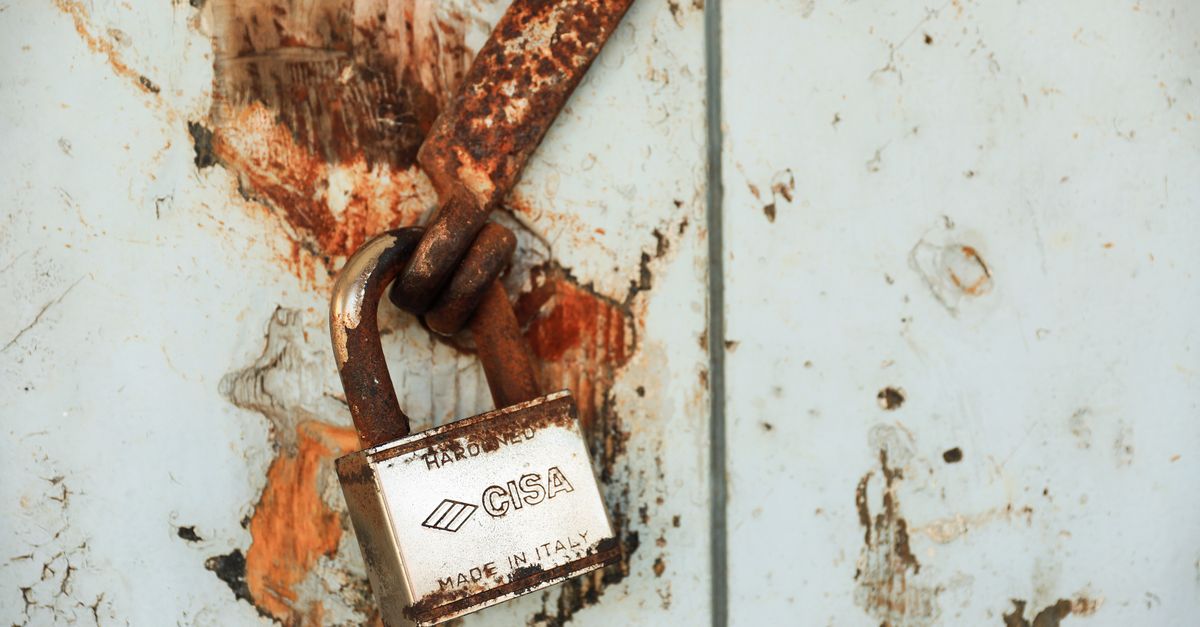
Most knob lock failures give warning signs long before they become full emergencies. A knob that spins freely without retracting the latch, a keyway that requires jiggling just to turn, a cylinder that sticks in cold weather, or a door that no longer closes flush with the strike plate — these are all mechanical distress signals. In older Mendham homes, particularly the Colonial and Tudor-style properties common along Tempe Wick Road and the surrounding estate corridors, original hardware is sometimes decades old and simply fatigued beyond adjustment. Rust, internal spring failure, worn tumblers, and stripped set-screws are all natural consequences of age, and no amount of WD-40 will solve a structurally compromised lock cylinder.
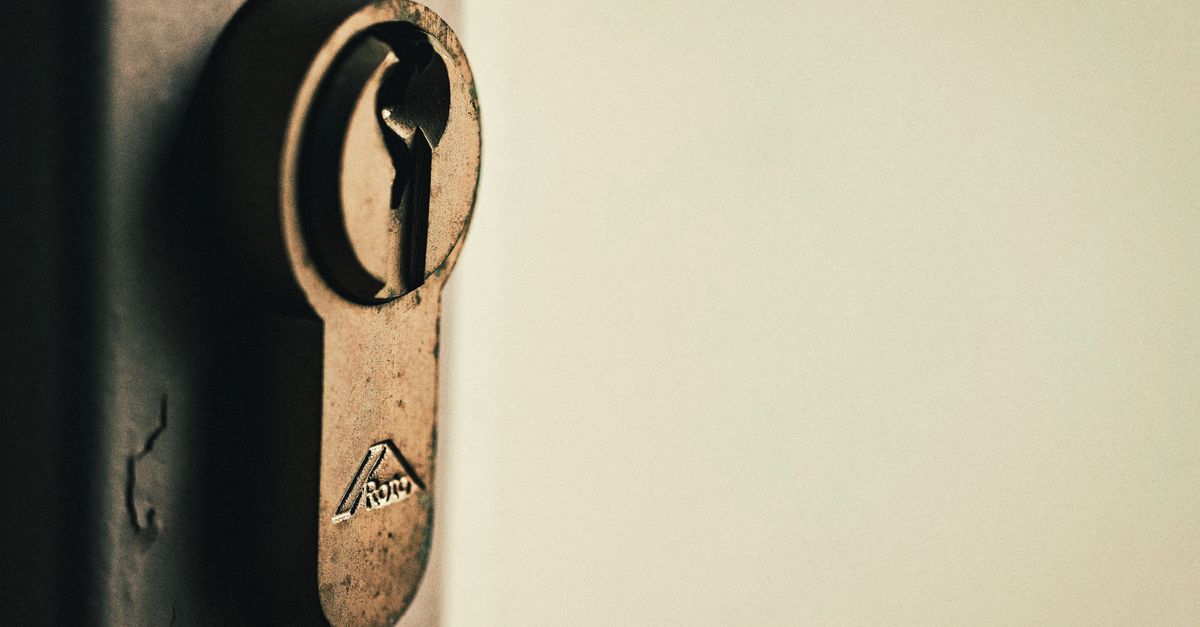
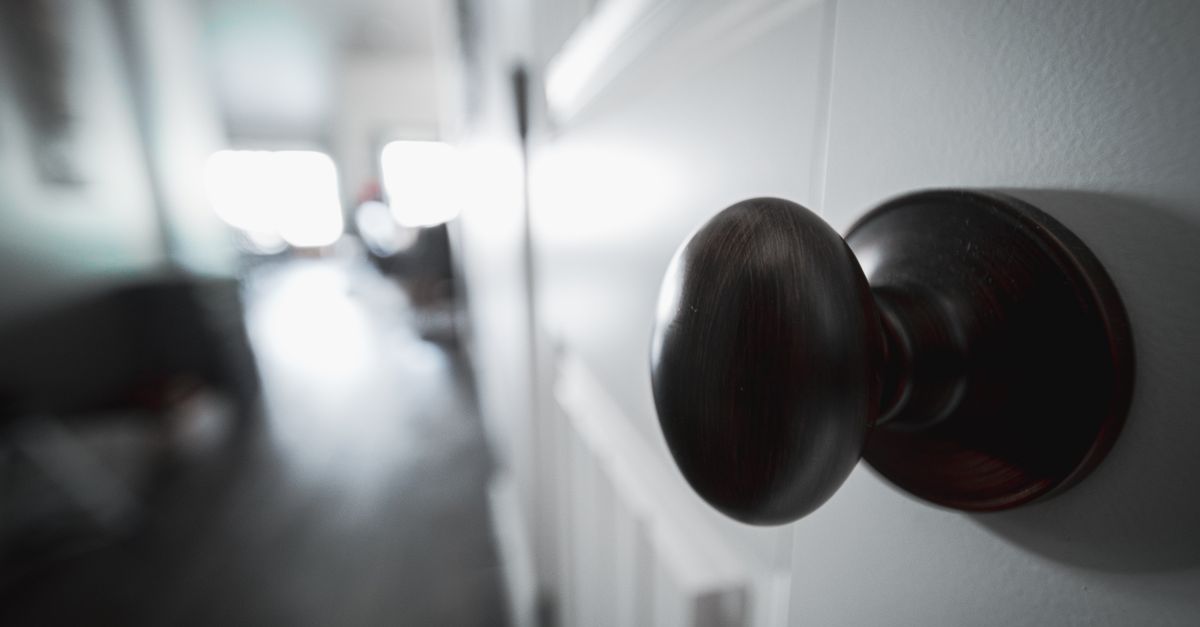
Exterior knob locks are especially vulnerable because they absorb both weather and daily mechanical stress simultaneously. A door knob with lock and key that once operated smoothly can develop play in the cylinder as the brass pins wear down, reducing security long before the knob feels truly broken. Interior knobs — including privacy knobs commonly used as a door knob with lock for bedroom doors — fail differently: the push-button or turn-button privacy mechanism wears out, and the emergency release slot becomes unreliable. If a household member ever becomes accidentally locked inside a room with a malfunctioning privacy knob, that is a genuine safety concern that warrants immediate attention, not a temporary workaround.