What Is a Mortise Lock and Why Mendham Homes Have So Many of Them
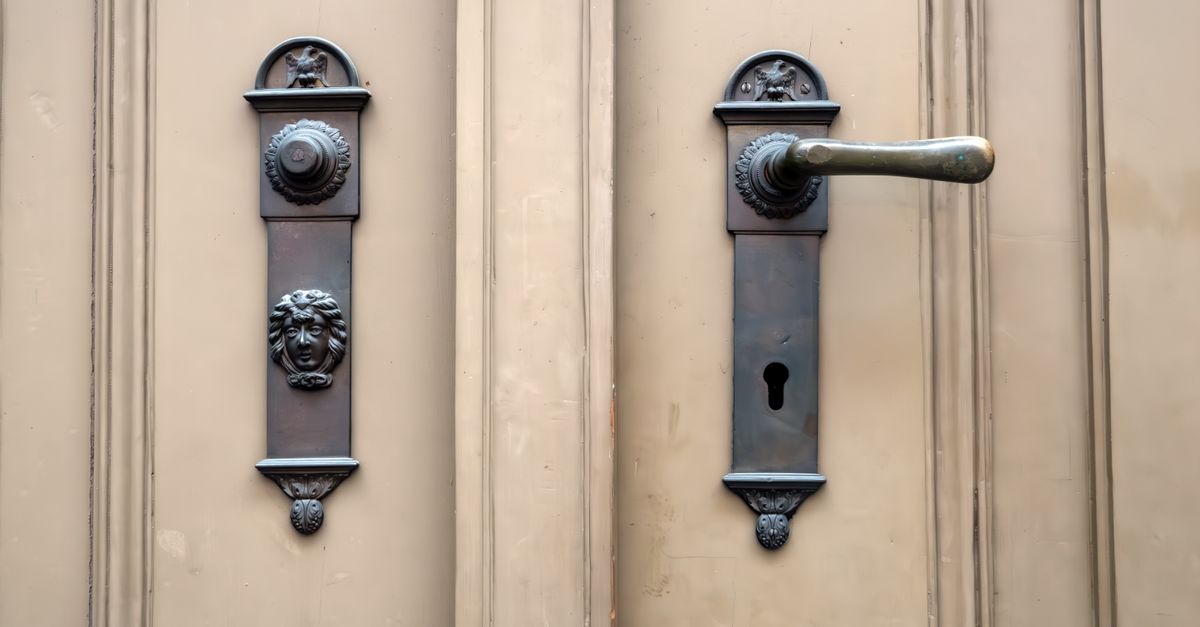
A mortise lock is fundamentally different from the cylindrical or tubular locks found on most modern builder-grade doors. Instead of a simple bored hole, installation requires a deep rectangular mortise — a pocket — to be cut into the door's edge. Inside that pocket sits a full case containing a latch bolt, a deadbolt or night latch, a series of levers or tumblers, and the linkages that connect everything to the outside trim. That trim historically included ornate knob sets, lever handles, or even a door knob lock paired with a separate escutcheon plate — all coordinated to the architecture of the home. Because Mendham Borough and Mendham Township retain a significant stock of pre-1950s residential construction, the mortise lock set remains the standard hardware on a remarkable number of front, rear, and side-entry doors in this community.
What makes these mechanisms both beloved and occasionally frustrating is their complexity. There are far more individual components inside a mortise lock case than inside a modern deadbolt, which means there are more things that can wear, crack, or corrode. A failing cam, a broken tail piece, a worn mortise lock cylinder, or a stripped spindle can each make the lock operate unpredictably — or not at all. Understanding which component has failed is the first job of any qualified technician, and it requires hands-on diagnosis rather than guesswork.